
 RSS
RSSFilmmaking.net Blog Archive
All of our posts for filmmakers.
POST
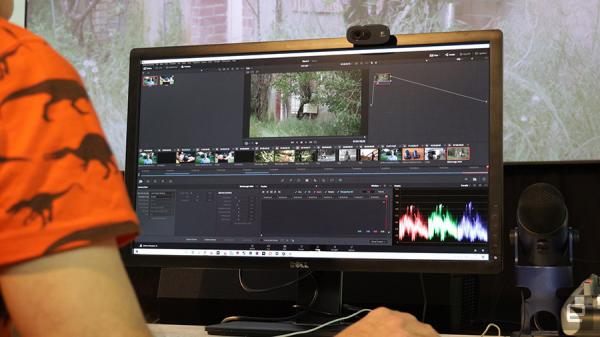
Time to Ditch Premiere Pro CC for DaVinci Resolve 16? Engadget Says Maybe
Black Magic Design's DaVinci Resolve has been around for many years, and version 16 came out over a year ago. ...

SOUND DESIGN
3 Fundamental Ways of Adding Sound to Film
Sound in film may seem like it's pretty obvious, but David Freudenberg suggests taking a step back to a more a...

EDUCATION
5 Beginner Tips for Better Framing and Composition in Cinematography
Rob Holder looks at some simple photography tips that can elevate your shots to new heights.

PRACTICAL
How to Get Film Permits and Location Releases
The key considerations and process for going about getting location filming permits and releases for your prod...

WOW
Disney Uses Epic's Unreal Game Engine to Render Virtual Sets In Real Time on The Mandalorian
Jon Favreau and the team talk about how using a virtual sets build in the Unreal game engine has revolutionise...

TECH
AI Helps Up Scale 1896 Lumiere Brothers Film to 4K 60fps
Using a pair of publicly-available enhancement tools, artist Denis Shiryaev was able to take one the Lumeire B...

GUIDANCE
Ultimate Guide to the Sundance Film Festival
Since it's meteoric rise to prominence in the 1990s, the Sundance Film Festival has maintained its position as...
RESOURCES
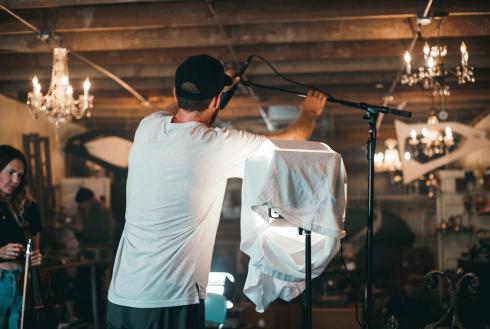
Crewing Up Online: How to Hire a Professional Production Team
The deeply collaborative nature of filmmaking can be both beautiful and terrifying. When the chemistry is righ...
SOUND
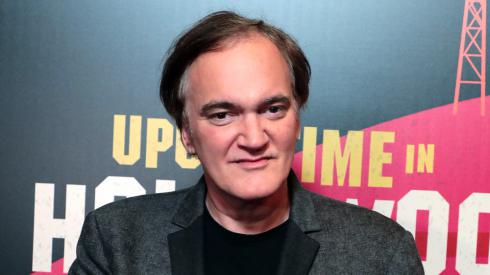
Quentin Tarantino Talks Recreating the 1960s Through Soundscapes
In this podcast, director Quentin Taratino talks about how he used music and sound to evolve the late 1960s fe...

GREAT MINDS